


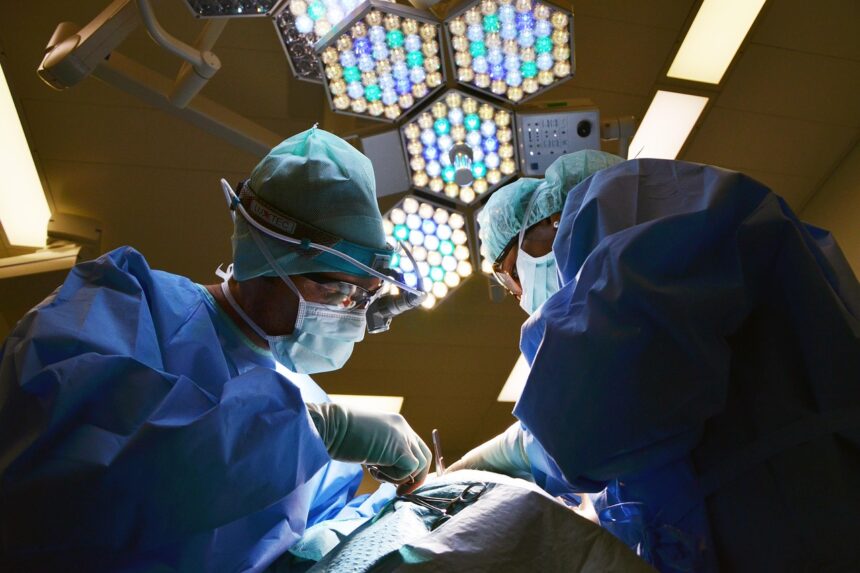
A bilateral pneumonectomy is almost unthinkable in modern care. Yet doctors in Chicago used it as a last option. A 33-year-old man survived 48 hours without lungs in an operating room. He lived because a specially built machine replaced lung function and protected the heart.
Reported accounts from Northwestern University’s medical teams describe a decision once framed as medical suicide. Other outlets, including Science News, have also described the same central sequence: both lungs removed first, then a short bridge to transplant.
When the flu turned into a mechanical disaster
The story began with what the source describes as a common flu. It then developed into an aggressive bacterial infection. The infection did not merely damage the lungs. It dissolved lung tissue to the point doctors compared it to liquid.
Once the lungs failed, oxygen no longer reached the blood. Organ after organ began to fail. The heart stopped, and the team had to resuscitate the patient. At that stage, survival depended on a lung transplant.
A transplant was needed – but impossible
The case carried a cruel contradiction. The man needed donor lungs to live. At the same time, he was too sick to undergo the transplant operation. The source describes it as a catch-22 in its purest form.
This is the moment where routine intensive care stops being enough. The team could not wait for the body to recover on its own. The infection kept driving the collapse. The lungs were no longer helping the patient survive.
Why bilateral pneumonectomy is almost never used
To stop the infection, the doctors made an extreme decision: remove both lungs immediately. That procedure is a bilateral pneumonectomy. It is almost never performed, because the heart can collapse without the counterpressure of the lungs.
The problem is mechanical, not theoretical. The right side of the heart pumps blood toward the lungs. There, the blood normally becomes oxygenated before it continues to the body. If the lungs are removed, there is nowhere for the blood to go.
Pressure rises fast in this closed path. The heart swells. Circulation collapses within minutes. In past practice, that chain reaction would have ended the case.
The machine that replaced lungs and protected the heart
Here, the team had a plan B. Researchers at Northwestern University had built a solution: a completely artificial pulmonary circulation system connected directly to the heart. The device did more than add oxygen. It regulated pressure and aimed to keep the heart working as if lungs still existed.
The system, as described in the source, consisted of pumps, tubes, and shunts. It constantly adjusted flow to match the patient’s needs. Blood circulated through the machine instead of through lung tissue. That detail matters, because it reframes the problem as controlled circulation.
The team also had to deal with empty space in the chest. With both lungs removed, the heart could move too freely. The source describes how surgeons physically stabilised the heart in the chest with surgical instruments. That stabilisation acted alongside the machine’s pressure control.
What changed after the lungs were gone
Within 24 hours, signs of blood poisoning disappeared. Blood pressure medication could be discontinued. The source describes a body that had been on the verge of giving up. Then it began to recover, completely without lungs.
In my opinion, this is the most striking part of the sequence. The improvement did not follow a gradual curve. It arrived quickly once the infection source was removed. The case reads like a lesson in timing, not just technology.
Coverage from Northwestern Medicine and other reporting outlets has highlighted the same pivot point: remove the infection source, then stabilise circulation long enough for transplant.
Two days later – donor lungs and a narrow window
After two days, donor lungs became available. By then, the patient was stable enough to undergo transplantation. The operation was successful, and the new lungs began to function immediately.
The timeline is brutally tight. The patient could not safely receive donor lungs at the start. But he could not live while the infection progressed. The artificial circulation system created a short, controlled pause in a situation that otherwise offered no pause.
What the removed lungs revealed
Later analysis showed the removed lungs were beyond repair. The cells that normally repair damage were gone. The structure had been destroyed and replaced by scar tissue. There was no way back.
The source is direct about the stakes of delay. Waiting would have meant death. In other words, the bilateral pneumonectomy was not chosen to be bold. It was chosen because the alternative was immediate loss.
A new chapter – with hard limits
Two years after the procedure, the man lives an independent life with good lung function. The case shows the limits of what is possible can be pushed. It also shows what that push requires: extreme expertise, the right equipment, and access to donor organs.
In my view, that final condition matters as much as the machine itself. A bridge only works when there is somewhere to land.